Prices are estimates. How we get them

Leak repair, drain cleaning, water heaters, and sump pumps serving Iowa City, Coralville, North Liberty, and Tiffin. Local crew, honest quotes, fast response.
Call Get a free quoteLocal pros handle plumbing across Iowa City and the surrounding Johnson County area. From older neighborhoods like Northside and Goosetown to newer homes in Walden Hills and Coralville, our local crew does the job start to finish.
Iowa City sits along the Iowa River valley, with older homes near downtown and heavy clay soil. The area sees hard winter freezes, spring flooding, heavy summer storms, and humid summers, and that weather is hard on plumbing, especially older pipes, sump pumps, and water heaters.
Local pros give written quotes before work starts, and you can ask each one about insurance and cleanup.
Finding and fixing leaks in pipes, fixtures, and under slabs before they cause bigger damage.
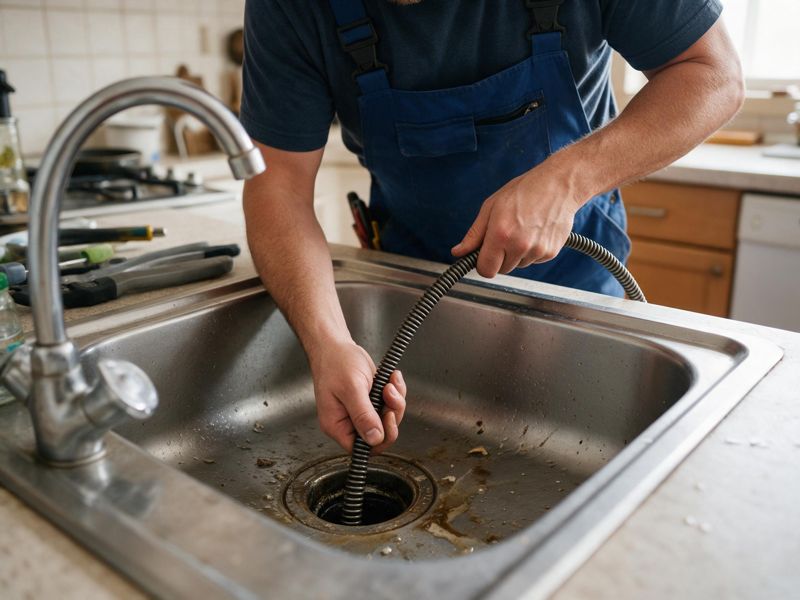
Clearing slow and clogged sinks, tubs, floor drains, and main sewer lines.
Tank and tankless water heaters repaired, replaced, and installed to code.
New sump pumps, battery backups, and alarms to protect basements.
Thawing, repairing, and protecting pipes that freeze during hard winters.
Faucets, toilets, showers, and plumbing for kitchen and bath remodels.
When a pipe leaks, a drain backs up, or the water heater quits, you want a plumber who shows up, explains the problem, and fixes it right. We serve homeowners across Johnson County, from Northside and Goosetown to Longfellow and nearby towns like Coralville and North Liberty.
Many homes here are decades old, with galvanized pipes, aging drains, and basements that see water every spring. Newer homes have their own issues, like sump pumps that run hard during storms and water heaters that wear out sooner than expected. Local pros work on both, and they will tell you honestly what needs fixing now and what can wait.
Every job starts with a clear explanation and a price before work begins. No surprises when the job is done.
Leaks under sinks, behind walls, and in basements. Small leaks can cause big damage if they're ignored.
Slow and clogged drains in kitchens, bathrooms, and floor drains, plus main sewer line backups.
Water heaters that run out of hot water, leak, or make rumbling noises.
Sump pumps that fail during heavy rain, leaving basements wet.
Frozen and burst pipes during hard freezes.
Tell us what's going on using the form. A local pro will ask a few questions and schedule a visit. When local pros arrive, they find the cause, explain your options, and give you a clear price. Once you approve, local pros make the repair, test it, and clean up.
For water heaters and larger projects, a local pro will walk you through choices like tank versus tankless and help you pick what fits your home and budget.
Iowa City sits along the Iowa River valley, with older homes near downtown and heavy clay soil. The area sees hard winter freezes, spring flooding, heavy summer storms, and humid summers. Those conditions are hard on plumbing. Freezes crack pipes in exterior walls and crawl spaces. Heavy rain overwhelms sump pumps and floor drains. Older sewer lines can be damaged by tree roots and shifting clay.
A little prevention goes a long way: insulating exposed pipes, testing your sump pump before spring, and flushing your water heater once a year.
Look for a plumber who explains the problem clearly, gives a written price, and stands behind the work. Ask about warranties on parts and labor. Be wary of anyone who won't give a price before starting.
That's how local pros work on every job, from a dripping faucet in Manville Heights to a new water heater near Tiffin.
Common plumbing repairs in the Iowa City area often run about $150 to $500. Drain cleaning usually costs about $150 to $400, and main sewer line clearing can run more. A new tank water heater installed often costs about $1,500 to $3,500, and tankless units usually cost more. A local pro will explain the problem and give you a clear price before work starts.
Watch for a higher water bill, damp spots, musty smells, or the sound of running water when nothing is on.
Most tank water heaters last about 8 to 12 years. Rust, leaks, and rumbling noises are signs it may be time to replace.
Shut off the main water valve right away, turn off power to wet areas, and call a plumber.
Keep the heat on, open cabinet doors on cold nights, disconnect hoses, and insulate pipes in cold areas.
If your basement has ever taken on water, a battery backup is a smart, low-cost protection.
Yes. Local pros explain what they find and give you a clear price before any work begins.
Before arranging a repair, note where the problem appears and when it happens. A drain that backs up only when a washing machine empties may point to a different issue than a sink that drains slowly all day. Write down which fixtures are affected, whether you hear gurgling, and whether the problem changes after rain. These details help a plumber choose what to inspect first.
Find the shutoff valves for the affected fixture, if it is safe to do so. A stiff or corroded valve may not close fully, so do not force it hard enough to break. For a leak that cannot be controlled at the fixture, knowing the location of the main shutoff can limit water damage while help is arranged. Keep the path to that valve clear.
Pipe material can affect repair options. Older sections may use galvanized steel, copper, or other materials, while repairs may involve newer pipe types. Connections between unlike materials need compatible fittings and installation methods. If you know a pipe has been patched before, mention that when requesting service; a repair that looks simple from outside may need a closer inspection at the connection.
For a suspected hidden leak, describe any changes you can observe, such as damp flooring, a musty smell, or a water meter that moves when fixtures are off. Avoid opening walls or floors before the source is assessed. Unneeded demolition can add cost, and moisture may have traveled beyond the first visible spot. Ask what inspection steps are planned before repair begins.
A useful quote explains what problem the work is meant to solve, what parts or materials are included, and what testing will follow the repair. Compare the actual scope rather than just the bottom-line amount. For example, clearing a blockage and inspecting a recurring sewer problem are different tasks, even if both begin with a drain that will not flow.
Ask whether the price includes access work, disposal of old equipment, and any ordinary cleanup. If the plumber cannot confirm the full scope until a line is opened or a component is tested, ask how a change in scope will be explained and priced. You should have a chance to approve added work before it proceeds, except where immediate action is needed to prevent further damage.
When replacing equipment, compare the specifications, not only the model category. For a water heater, useful details include tank capacity, fuel type, venting arrangement, and whether existing connections can be reused. A different size or setup may require related changes. Ask which parts of the installation are included and what conditions could alter the plan.
If a drain problem keeps returning, ask what evidence supports the recommended solution. A camera inspection may help locate a break, root intrusion, or buildup in an accessible sewer line, but it is not needed for every clog. Find out what the inspection can show, whether it is included in the quote, and what repair choices would follow from the findings.
Keep grease, cooking oil, coffee grounds, and fibrous food scraps out of kitchen drains. These materials can collect inside pipes or combine with other debris, making a slow drain harder to clear. Use a drain strainer to catch scraps, and put cooled grease in a container for disposal rather than rinsing it away with hot water. Hot water can move grease farther down before it cools.
Use bathroom drain covers to catch hair, and clean them regularly. Avoid treating repeated clogs with strong chemical drain cleaners without checking the product instructions and pipe conditions. Some cleaners can damage certain materials, create a hazard if mixed with another product, or remain in standing water. Tell a plumber if you have already used a chemical cleaner before they work on the drain.
Know what your sump pump setup includes. If there is a battery backup, check its indicator and follow the maker's instructions for battery care. Keep the pit clear of loose debris and make sure the discharge pipe is not blocked or directed where water can flow back toward the foundation. If the pump cycles unusually often or makes a new sound, arrange an inspection before relying on it during a storm.
For water heaters, keep the area around the unit accessible and look occasionally for moisture, corrosion, or changes in how the equipment runs. Do not adjust gas connections, electrical components, or temperature controls unless you understand the equipment instructions. If you notice a leak, a burning smell, or repeated safety shutoffs, stop using the unit if appropriate and ask a qualified professional what to do next.
Describe the affected fixture or area, when the trouble started, and whether more than one drain or appliance is involved. Mention any recent plumbing work, past repairs, or chemical drain cleaner use. Photos can help explain visible damage, but they do not replace an on-site inspection when the cause is hidden.
That depends on where the leak is and whether it can be safely controlled. Even a slow leak can damage cabinets, flooring, or walls over time. If water is near electrical equipment, spreading quickly, or coming from a pressurized line, avoid the area if unsafe and use an appropriate shutoff if you can do so safely.
Clearing an opening does not always remove the underlying cause. Grease, hair, scale, an obstruction farther down the line, or damage to a pipe can lead to another blockage. Note how quickly the problem returns and whether other fixtures are affected. That pattern can help determine whether a deeper inspection is worthwhile.
Ask how the proposed unit fits your household's hot-water needs and existing fuel, venting, and plumbing connections. Confirm whether removal and disposal of the old unit are included, and whether any related changes are expected. If the existing heater has failed, ask whether there are safe steps to take while waiting for replacement.
Sometimes an inspection camera can show the inside of an accessible sewer line and help identify a blockage, break, or root intrusion. The camera may not show every condition, and access can affect what is possible. Ask what portion of the line can be inspected and how the findings will guide the recommendation.
If water flow drops or stops, locate the affected area only if it is safe and accessible. Do not use an open flame to thaw a pipe. If a pipe has split or is leaking, shut off water if you can safely reach the valve and arrange prompt help. A professional can check for damage as well as thawing needs.
Not necessarily. The right choice depends on the household's hot-water use, recovery needs, available space, fuel, and installation requirements. A larger tank may take more space and energy to keep hot, while a smaller one may not meet demand. Ask the plumber to explain the sizing assumptions behind the proposed option.
Clear access to the affected fixture, water heater, sump pit, or cleanout if you know which area is involved. Secure pets and move stored items away from the work area. Make a note of symptoms and past repairs, and point out any shutoff valves you know about. Avoid dismantling plumbing before the visit.
Tell us what you need and where. We usually reply the same day.
Prefer to talk? Call us.
No obligation and no pressure.
Iowa City Plumbing Pros is an independent referral service that connects you with local plumbers.
Open this site on your phone

Iowa City Plumbing Pros
iowacityplumbingpros.us
Point your phone camera at the code